Chaque service proposé par NTN commence par une idée et doit aboutir à une solution opérationnelle en orbite. Entre ces deux étapes se déroule un parcours, et nous avons passé 25 ans à identifier les étapes qui se déroulent sans encombre et celles qui posent des difficultés. Cet article retrace ce parcours tel que nous l’expliquons à nos clients, en trois phases, en examinant de près, pour chaque phase, une décision qui a souvent tendance à mettre les programmes en difficulté.
Une conception peut être entièrement 3GPP conforme aux normes et produire néanmoins un service dont les performances sur le terrain sont insuffisantes, car la norme définit ce que le système doit faire, et non si votre satellite particulier, sur votre zone de couverture spécifique, le fera correctement. C'est dans cet écart que réside le travail, et celui-ci se concentre dans quelques domaines prévisibles.
Gatehouse Satcom est un membre actif de la délégation de l'3GPP , chargée de rédiger les normes NTN auxquelles le secteur se conforme désormais. Notre logiciel est aujourd'hui opérationnel en orbite, et nous avons établi une première liaison commerciale entre un satellite embarquant notre logiciel de charge utile et un dispositif standardisé au sol. Notre clientèle va des opérateurs de satellites bien établis aux start-ups développant de nouveaux services, dont beaucoup sont des pionniers sur ce marché.
Cette expérience a façonné notre façon de travailler.
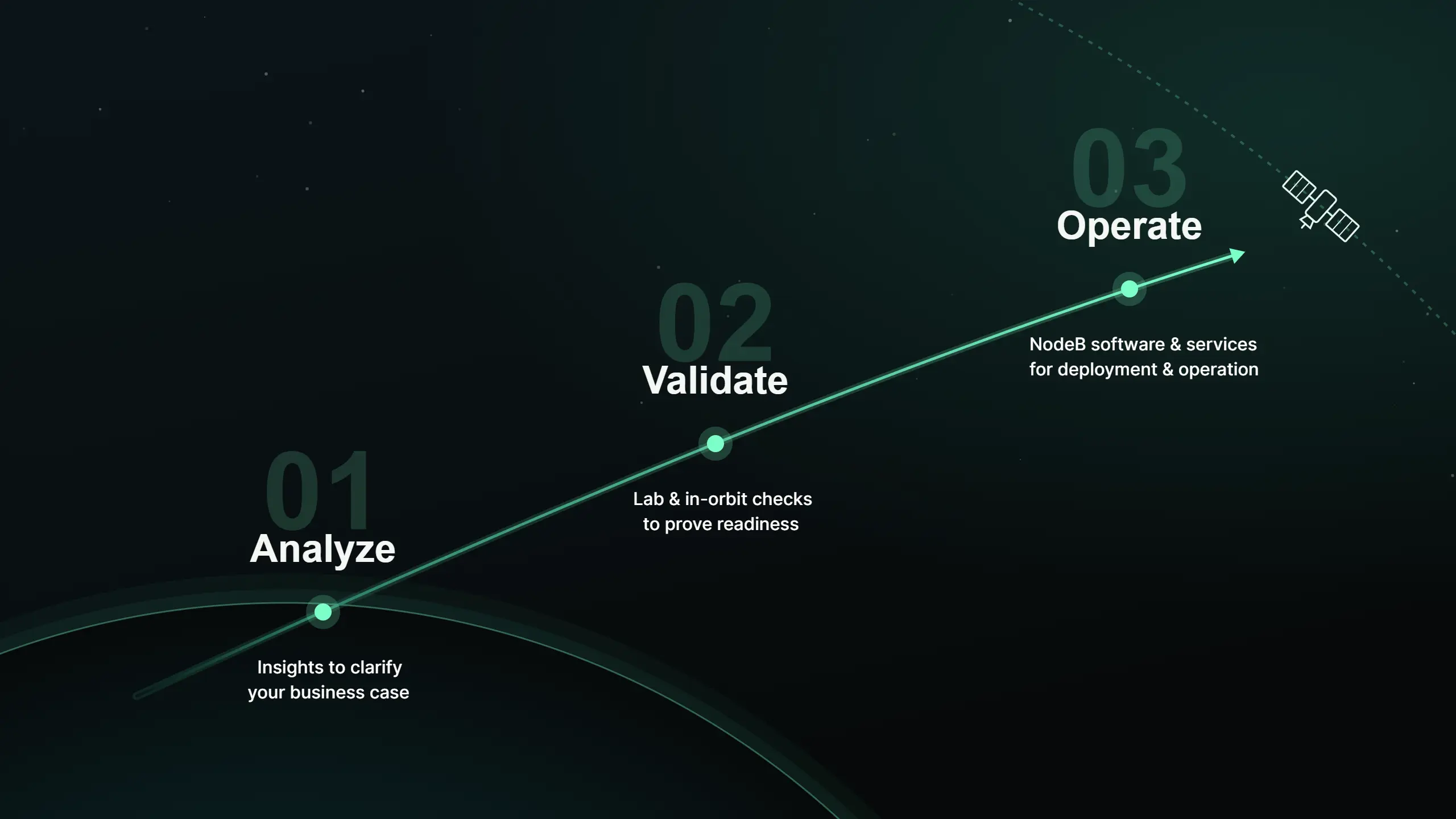
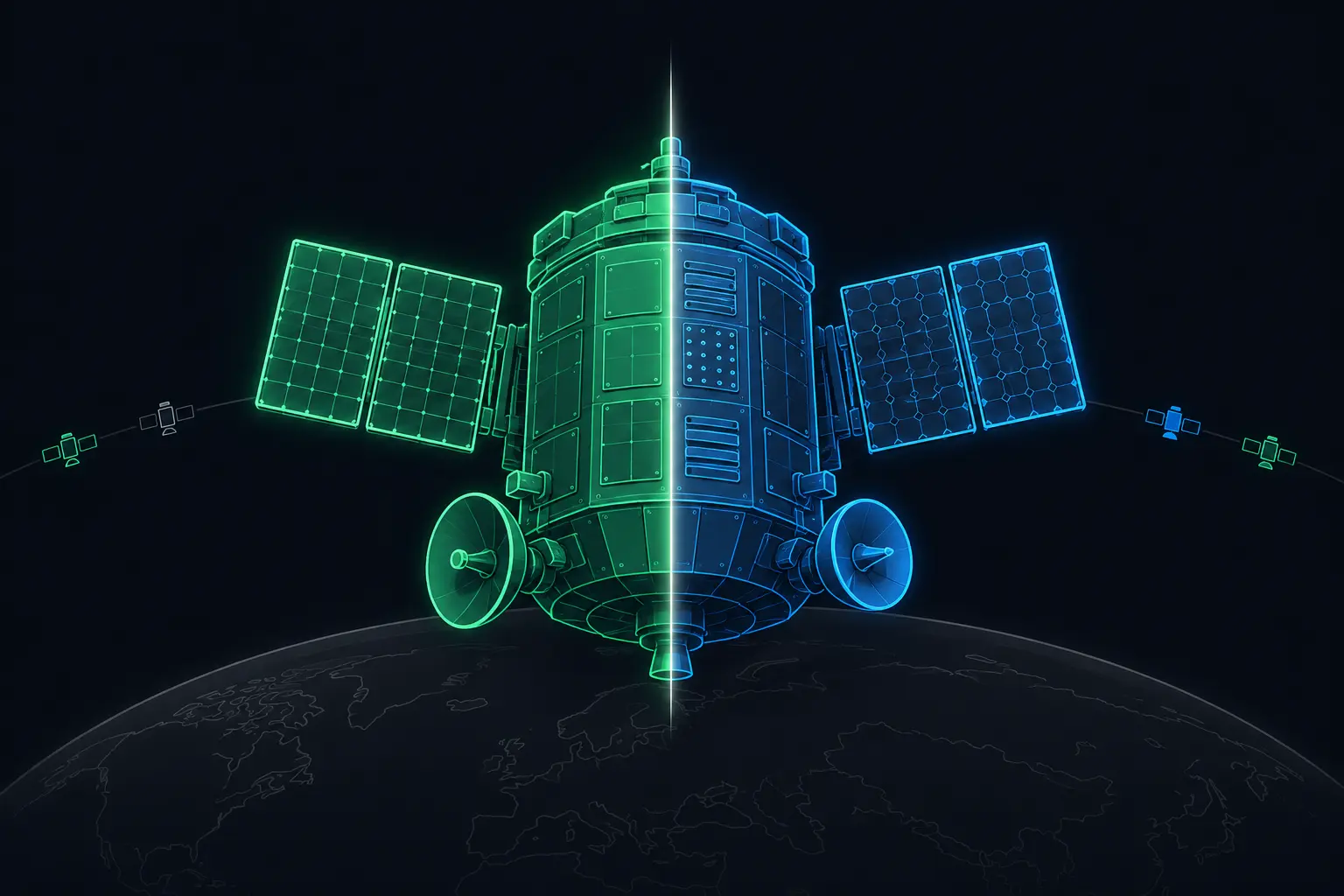
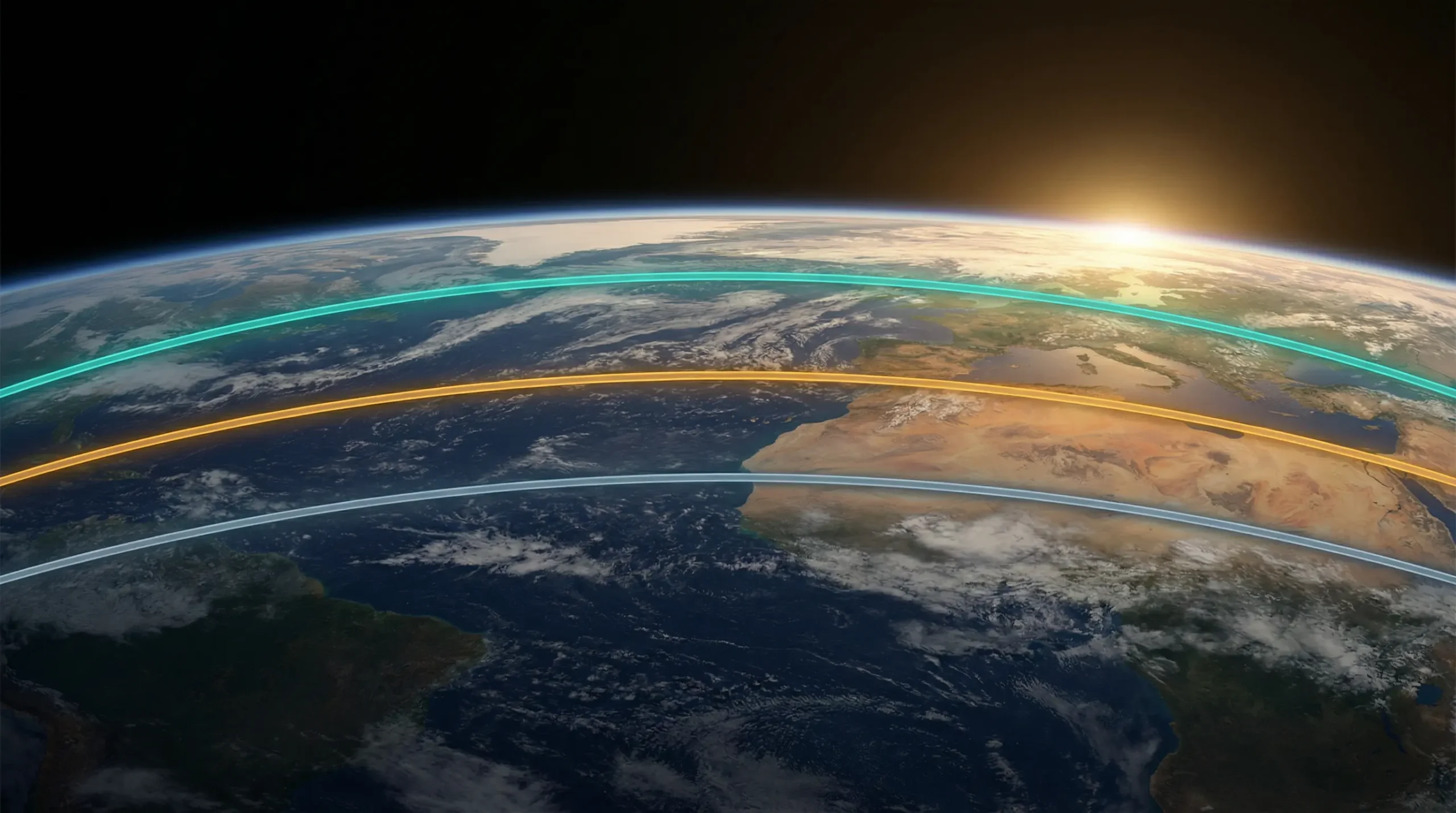
Une approche possible consiste à suivre trois étapes : analyse, validation, exploitation.
- L'analyse permet de déterminer les capacités du service avant d'investir dans du matériel.
- Validate effectue ces tests sur du matériel réel, alors que les résultats peuvent encore modifier le plan.
- La phase « Exécution » accompagne le projet depuis son lancement jusqu'à sa mise en service. Chaque phase a pour but de trancher un type spécifique de décision tant que celle-ci peut encore être modifiée, et l'ordre dans lequel elles se succèdent est important, car la marge de manœuvre se réduit à chaque étape menant au lancement.
Tous nos clients n'ont pas nécessairement besoin de nos trois services. Certains nous contactent alors que l'étude de faisabilité a déjà été réalisée et ont besoin d'une validation. D'autres ont déjà obtenu cette validation et ont besoin d'aide pour passer à la mise en production. Ces phases décrivent l'ensemble du parcours, mais nous vous accompagnons où que vous en soyez.
Phase 1 – Analyse
L'analyse vise avant tout à répondre à une question avant tout investissement dans du matériel : le service répondra-t-il aux besoins définis dans l'analyse de rentabilité, sur l'ensemble de sa zone de couverture et pas seulement dans des conditions idéales ?
Cette phase est brève par rapport à ce qui suit, et c’est au cours de celle-ci que sont prises les décisions irréversibles. La capacité fondamentale d’un satellite à transmettre des signaux est définie lors de sa conception et fixée définitivement lors de son lancement. Le travail consiste ici à déterminer les bons paramètres tant qu’ils sont encore ajustables, et à les dimensionner en fonction du scénario le plus défavorable, et non du meilleur.
Évaluation de la faisabilité du budget de liaison en fonction de conditions de signal variables
Le faisceau d'un satellite couvre une vaste zone, et les conditions ne sont pas les mêmes partout dans cette zone. Un appareil situé près du centre du faisceau bénéficie d'une liaison courte et puissante avec le satellite. Un appareil situé en périphérie bénéficie d'une liaison plus longue et plus faible. L'écart entre les deux est important.

Pour un NB-IoT service fourni par un petit satellite à environ 600 km en bande S, le budget de liaison par appareil varie considérablement d’un point à l’autre du faisceau. Dans cet exemple, près du centre (meilleur cas), la liaison descendante peut transporter environ 35 à 50 kb/s et la liaison montante environ 1,5 à 3 kb/s par appareil. Aux extrémités (cas le plus défavorable), ce même système offre plutôt un débit descendant de 13 à 20 kb/s et un débit montant de 0,6 à 1,5 kb/s par appareil. Le cas central et le cas extrême concernent le même satellite lors du même passage. Cette différence détermine si le service atteint ses objectifs sur l’ensemble de la zone de couverture ou uniquement directement sous le satellite.
Le véritable choix à faire lors de la phase d’analyse réside donc dans la manière de dimensionner le système. Si l’on dimensionne pour le pire des cas, le service est assuré sur l’ensemble de la zone de couverture, mais à un coût plus élevé. Si l’on dimensionne pour le meilleur des cas, le bord du faisceau devient le point faible du service. La version optimiste semble acceptable dans un document de faisabilité et ne se révèle qu’une fois en orbite, moment où la capacité est figée et ne peut plus être augmentée. Le choix opéré lors de la phase d’analyse permet de distinguer un projet pilote évolutif de celui qui ne tient la route que dans des conditions favorables.
Phase 2 – Validation
L'analyse permet d'obtenir des chiffres sur le papier. La validation permet de vérifier si le système se comporte conformément aux prévisions théoriques, tant qu'il reste encore du temps et du budget pour réagir en fonction du résultat.
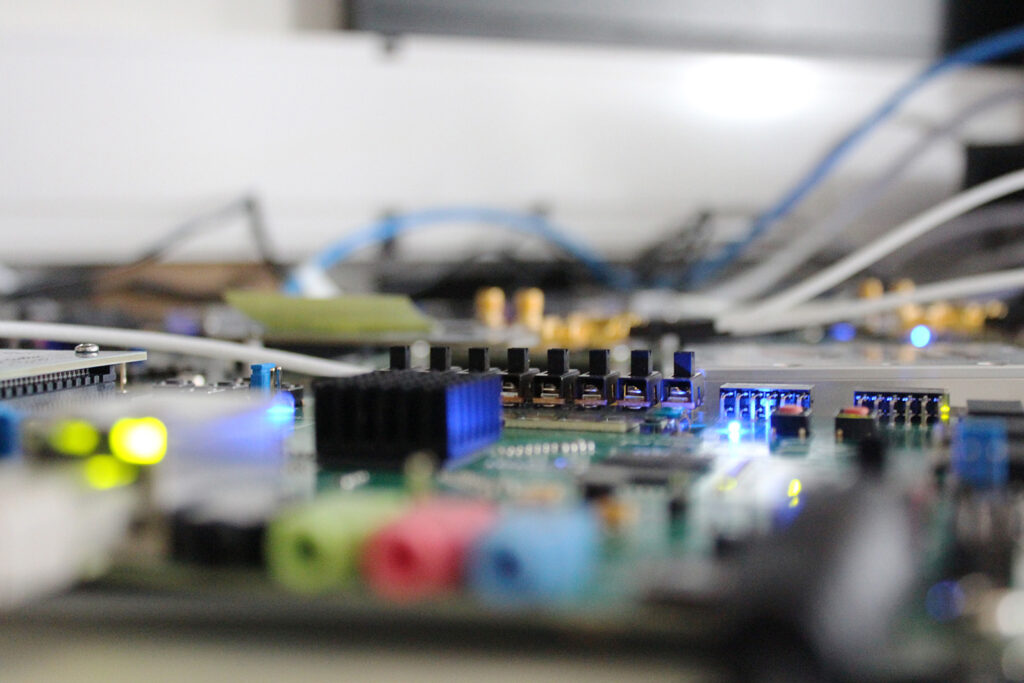
Cette phase reproduit les conditions en orbite dans un laboratoire, à l’aide de matériel, de logiciels et d’appareils réels. Un laboratoire n’est pas l’espace, et nous le considérons comme une approximation proche plutôt que comme un substitut. Cela permet de déterminer avec une précision suffisante si les hypothèses de faisabilité sont valables. Un problème détecté à ce stade peut être corrigé à moindre coût. En revanche, le même problème découvert après le lancement pourrait s’avérer impossible à corriger. Deux résultats sont particulièrement déterminants pour la décision de poursuivre le projet, c’est pourquoi cette phase comporte deux analyses approfondies.
Maintenir la liaison pendant toute la durée d'un passage complet du satellite
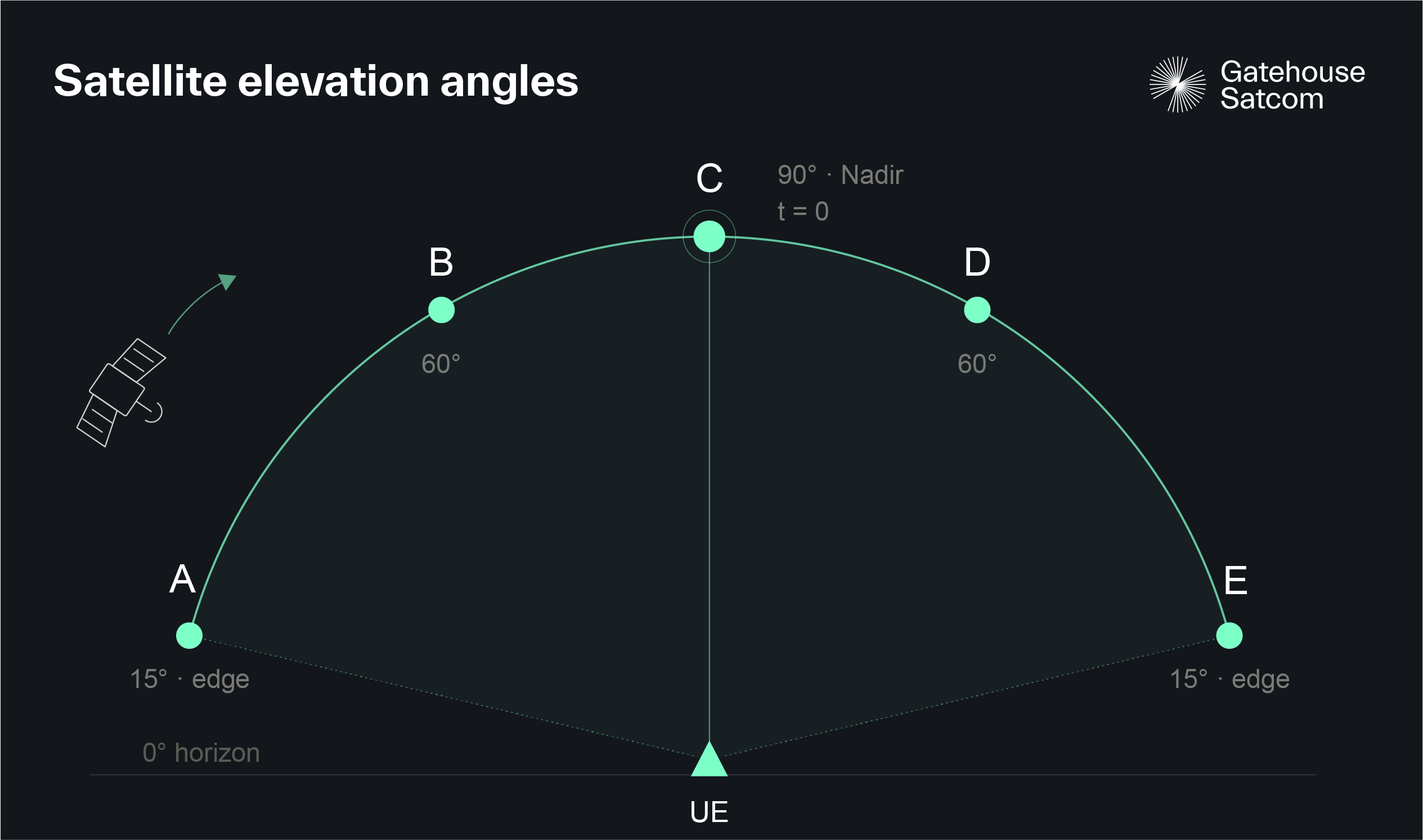
Le passage d'un satellite s'étend d'un horizon à l'autre et dure plusieurs minutes. Le satellite se lève, passe au zénith, puis se couche. L'angle qu'il forme avec un appareil au sol varie tout au long de son parcours, et la puissance du signal évolue en conséquence : elle est maximale lorsque le satellite est au zénith, et minimale près de l'horizon, au début et à la fin de son passage.
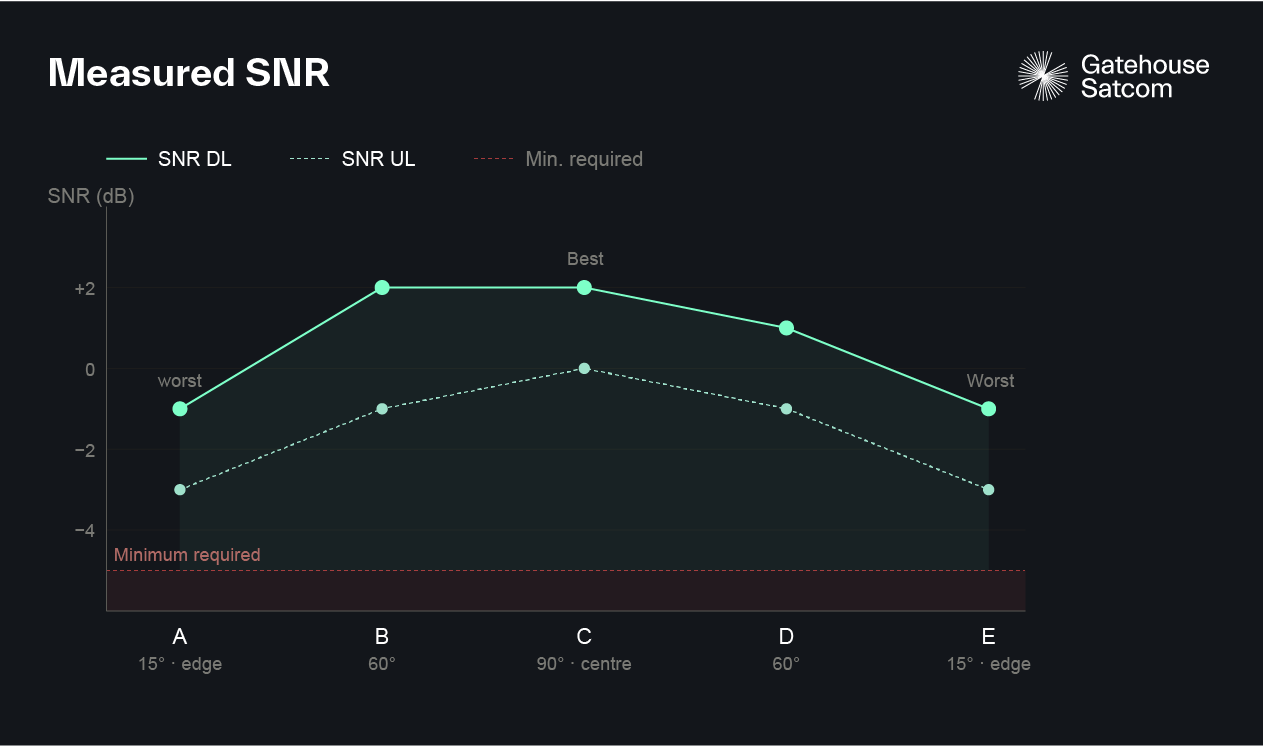
Ce dont un opérateur a besoin, c’est de savoir si la liaison mesurée satisfait aux exigences minimales du service en chaque point du parcours, y compris au point le plus faible. Une liaison qui reste au-dessus du seuil requis même à son point le plus faible confirme la faisabilité des chiffres et apporte la preuve concrète que le service fonctionnera. Une liaison qui passe en dessous de ce seuil aux extrémités met en évidence un problème en laboratoire, là où il est encore possible d’y remédier. Ces deux résultats sont utiles, et il vaut bien mieux les connaître avant le lancement qu’après.
Prendre en charge suffisamment d'appareils simultanément
Le deuxième résultat concerne la capacité. Un satellite disposant d'une puissance suffisante peut exploiter plusieurs canaux de données en parallèle plutôt qu'un seul, ce qui lui permet de desservir davantage d'appareils simultanément. Il existe des moyens efficaces et d'autres moins efficaces d'augmenter cette capacité, et le choix dépend de la puissance disponible à bord pour la prendre en charge. Ajouter des canaux sans disposer de la puissance nécessaire pour les alimenter peut réduire la qualité du service plutôt que de l'améliorer.
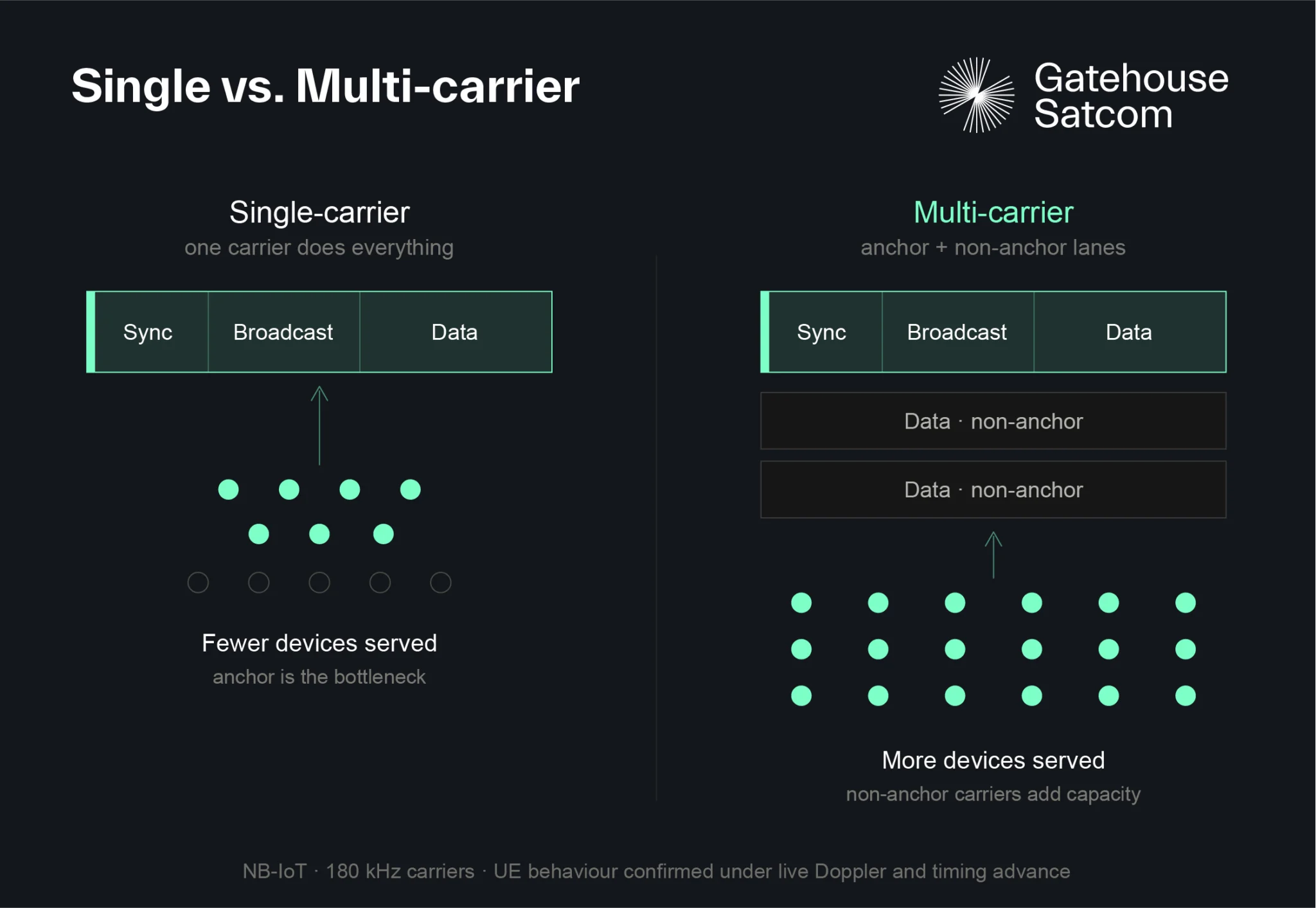
La question à laquelle « Validate » apporte une réponse n’est pas de savoir si le satellite est capable de transmettre un signal, mais s’il peut desservir le nombre d’appareils dont dépend l’entreprise, avec la qualité attendue par ces clients. C’est en vérifiant cela à l’aide de composants réels, avant le lancement, que l’on obtient une réponse pertinente.
Phase 3 – Exploitation
L'exploitation commence dès le lancement, seule étape à partir de laquelle un programme ne peut plus faire marche arrière. Avant cela, le système est modulable. Après la mise en service, le satellite traite un trafic réel dans des conditions réelles, et la distinction entre ce qui est fixe et ce qui est réglable devient concrète.
Les éléments fixes ont été définis lors de la phase d'analyse et validés au moment du lancement : la puissance du satellite, son matériel, la zone couverte par son faisceau. Ce qui reste ajustable, c'est la manière dont cette capacité fixe est répartie entre les appareils situés dans le champ de couverture. Toutefois, cet ajustement ne peut s'effectuer que dans les limites fixées lors des phases précédentes.
Répartir une ressource fixe entre la portée et la capacité
Le choix le plus évident à prendre en orbite est de savoir comment répartir le temps d’antenne du satellite entre la desserte d’un grand nombre d’appareils et celle des appareils difficiles à atteindre.
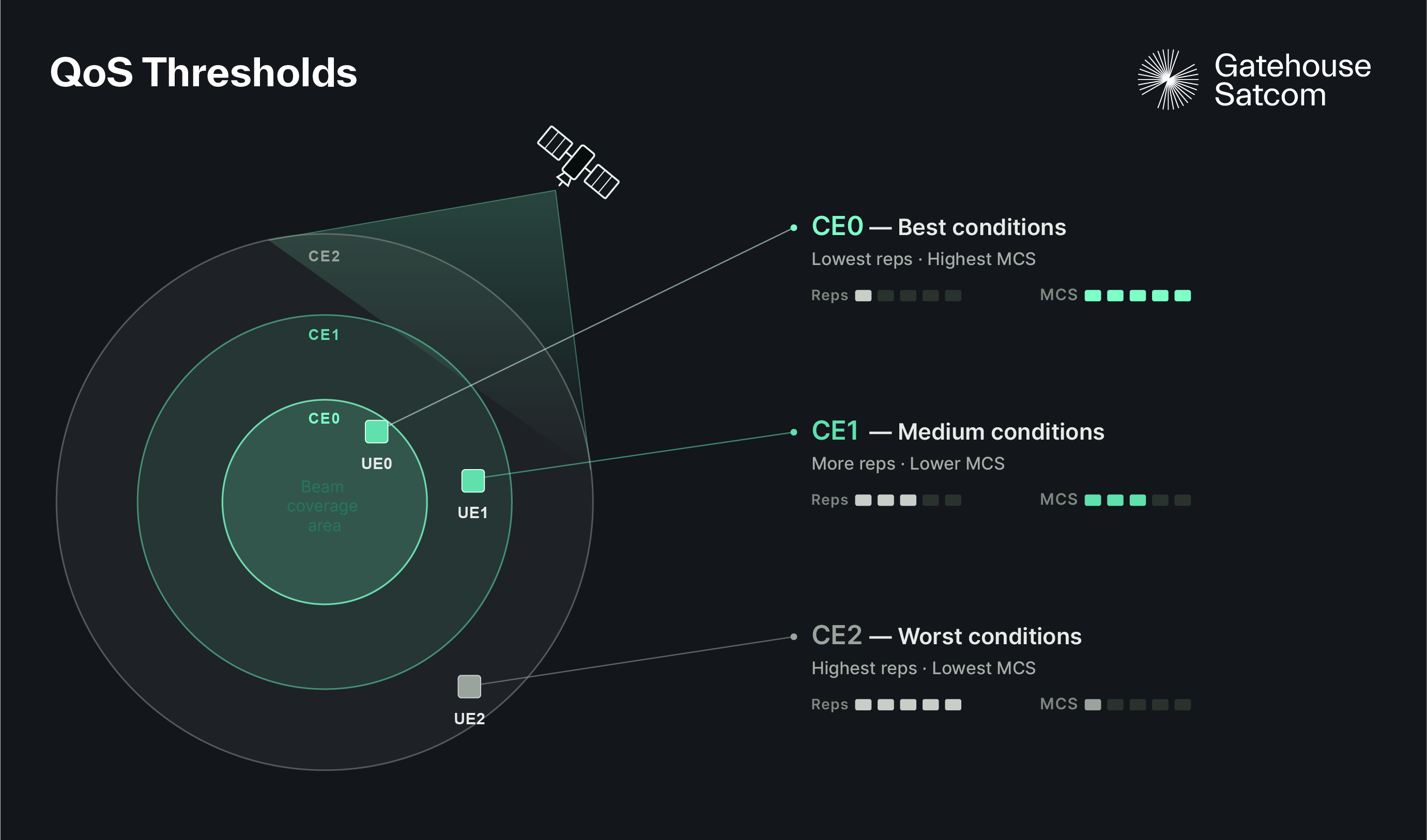
Les appareils en bon état ne consomment que peu de temps d'antenne ; le satellite peut donc en desservir plusieurs à la fois. Les appareils en mauvais état, situés à la périphérie du faisceau, à l'abri ou équipés d'antennes peu performantes, coûtent plus cher, car pour les atteindre de manière fiable, il faut répéter leurs transmissions, et chaque répétition consomme du temps d'antenne qui aurait pu être utilisé pour un autre appareil.
Il en résulte un compromis direct. Si l'on consacre une partie du temps d'antenne à des appareils puissants et centraux, cela peut permettre de desservir une dizaine d'entre eux. Si l'on consacre cette même partie à des appareils périphériques difficiles, dont chacun nécessite que son signal soit répété plusieurs fois, cela ne permettra peut-être d'en desservir que quatre environ. Une même ressource, répartie de deux façons différentes, entraîne une différence de plus du double quant au nombre d'appareils desservis.
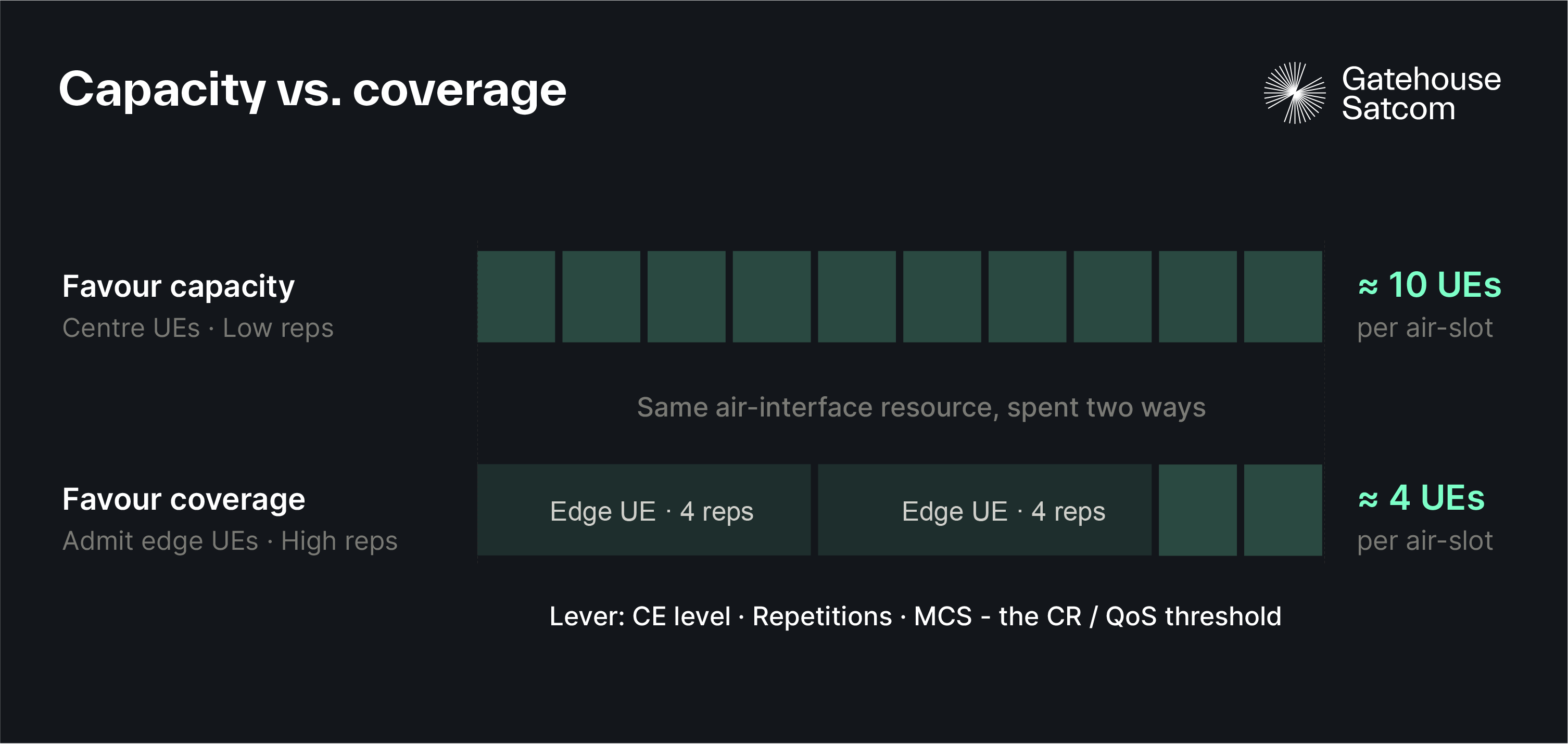
Un opérateur définit où se situe cette limite, en fonction de la densité et du type d’appareils pour lesquels le service est conçu, et peut la déplacer de manière dynamique : en privilégiant la couverture dans une région plutôt que dans une autre, ou la capacité dans une région plutôt que dans une autre, avec des ajustements tout au long du cycle de vie du service. Même le logiciel du satellite peut être mis à jour en orbite si nécessaire. Les limites dans lesquelles s’effectue ce réglage ont toutefois toutes été fixées avant le lancement. La marge de manœuvre dans la phase « Exploitation » est aussi large que le permettent les décisions prises lors des phases « Analyse » et « Validation ».
Le voyage, ce n'est pas la destination
Notre logiciel est conforme aux normes, a fait ses preuves en orbite et fonctionne aussi bien à bord du satellite qu'au sol. Mais le logiciel à lui seul ne suffit pas pour permettre à un opérateur de passer d'une idée à un service sur lequel les clients peuvent compter.
C'est tout le parcours qui compte. Une analyse de faisabilité fondée sur le scénario le plus pessimiste. Unephase de validationqui transforme les hypothèses en données concrètes tant qu'il est encore temps d'agir. Un lancement où les limites du service sont déjà bien définies.
Le parcours est la méthode. L'objectif est de disposer d'un service validé, mis sur le marché rapidement, fonctionnant sur l'ensemble du réseau et prenant en charge les appareils dont dépend l'entreprise. Y parvenir plus rapidement, en ayant déjà éliminé les risques, voilà l'intérêt de suivre les phases dans l'ordre.
Où que vous en soyez dans ce parcours, nous pouvons vous accompagner. Pour les équipes qui démarrent de zéro, la phase d'analyse constitue un point d'entrée naturel : uneétude de faisabilitéstructurée qui permet de transformer un dossier commercial en chiffres concrets concernant le budget de liaison, la couverture et la capacité, en quelques semaines seulement, et non en plusieurs mois. Pour les équipes plus avancées, nous intervenons dès la phase de validation ou d'exploitation en production. Prenez rendez-vous, et nous commencerons là où vous en êtes.