『 3GPPのリリース17の完成により、宇宙ベースの5GNB-IoT およびデバイスへの直接接続が現実のものとなりました。 衛星ベースの5Gサービスへの関心の高まりは、NB-IoT のシステムアーキテクチャに対し、広大な地理的領域にわたる途切れないネットワークカバレッジを実現しつつ、世界中で現在直面している接続性の課題や制約に対処するという新たな要求をもたらしています。GateHouse SatComのプロダクトディレクターであるSvend Holme Sørensen氏とシニアソフトウェアアーキテクトのHenrik Krogh Møller氏が、現在および将来にわたって5GNB-IoT NTNシステムを開発するために必要なアーキテクチャとシステム要素について紹介します。
GateHouse SatCom 20年以上にわたり、最先端の衛星通信システムを開発してきました。現在、このソフトウェア専業企業であり波形開発会社である同社は、その専門知識を複数の商用および軍事市場に提供しており、最近ではETSIの個人会員となり、デバイスへの直接接続(Direct-to-Device)型5G「NB-IoT 」仕様の標準化を目指す、3GPPの画期的な「Release 17」に積極的に参画しています。
NT3GPP 組み込まれたことで、次世代のIoTデバイスは、モバイルネットワークと衛星ネットワーク間のローミングを実現するために、NTN対応チップセットへの更新のみで済む見込みである。
「デバイス直結型5Gサービス機能は、衛星通信における重要なマイルストーンであり、多くの魅力的な機会を提供します」と、GateHouse Satcom、スヴェンド・ホルム・ソレンセンは述べ、続けてこう語った:
従来、衛星通信専用に設計された大型端末や巨大なアンテナを通じて衛星接続を目にしてきました。現在当社が開発を支援するデバイスは地上波と衛星サービスの両方に対応し、通信が困難な地域を含む複数業界において、地上波と衛星ベースの5Gネットワークデバイスを広く途切れなく利用可能にします。
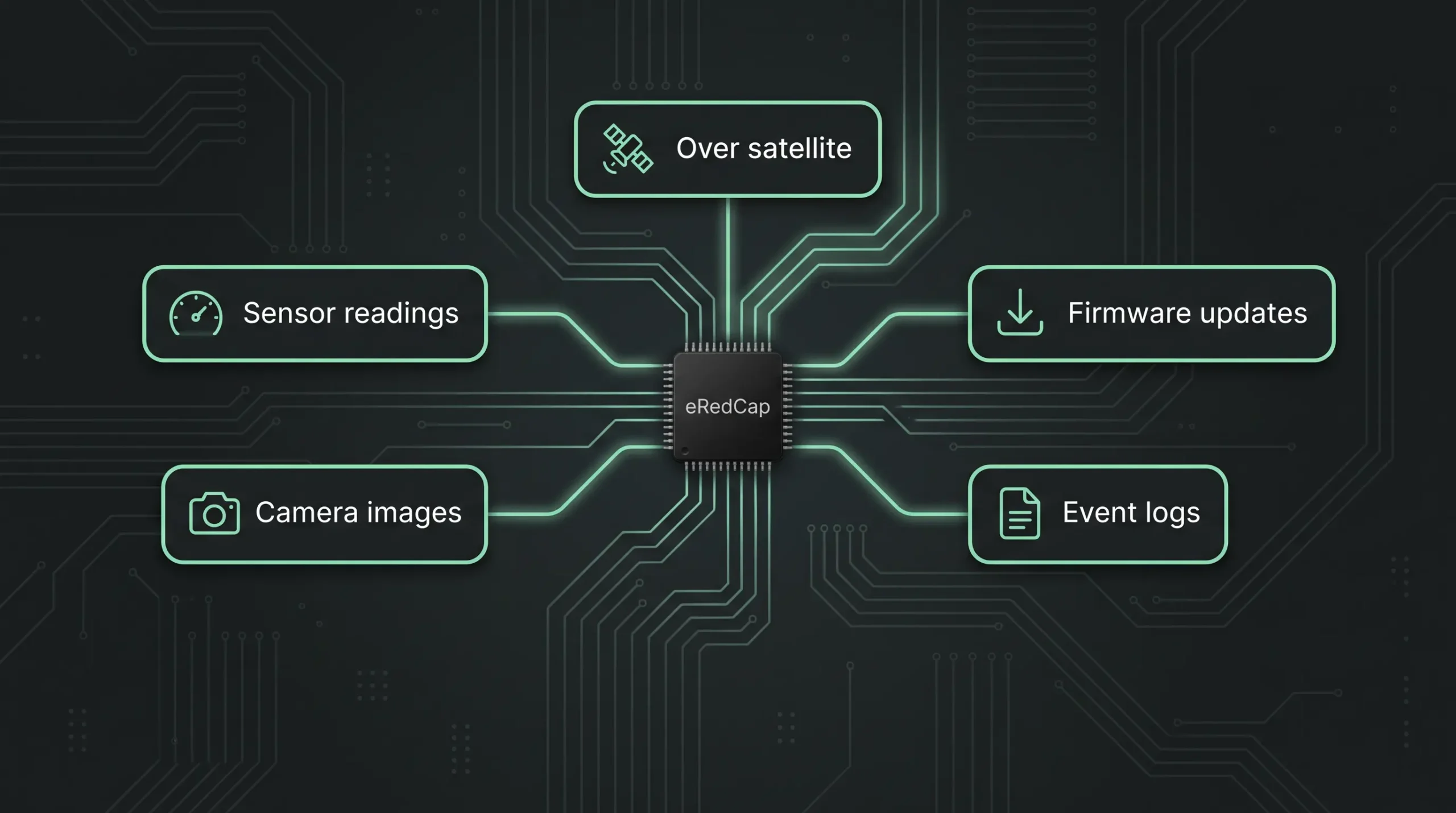
産業分野では、NB-IoT システムアーキテクチャの機能を活用し、地上波サービス向けに設計されたデバイスにも衛星駆動型5Gサービスを導入できる。
多くのデバイスは地上波接続のみをサポートしていますが、NB-IoT 応可能性は非常に高いです。物流業界はついに待ち望んでいたエンドツーエンドの可視性を実現できるでしょう。農業分野では、衛星通信を活用した家畜活動トラッカーやGPSトラッカーの導入が可能になります。同様に、農業分野では衛星通信による無線温度・湿度ロガーの採用が進むでしょう。可能性は無限大です。
しかし、スヴェンド氏はさらに、地上ネットワーク、非地上ネットワーク、そして数百万台のIoTデバイス間の相互運用性と接続性を最適化するための5G「NB-IoT 」システムアーキテクチャの開発には、課題が伴うことを説明している。
遅れを取り戻し、適応する
3GPP NB-IoT は当初、リリース13仕様において地上波用途向けに開発されたもので、そのシステムアーキテクチャには衛星による信号伝送は含まれていなかった。
NB-IoT を介してネットワークに直接接続し、セルラーネットワーク内の地上設置型NodeBタワーに到達する。NB-IoT インターネットへデータを送信する際には、パケットコア(この場合は4G EPC)を経由する。NB-IoT 、Release 16事前調査およびRelease 17仕様書を通じた衛星駆動型NTN接続性の探求の基盤を形成した。
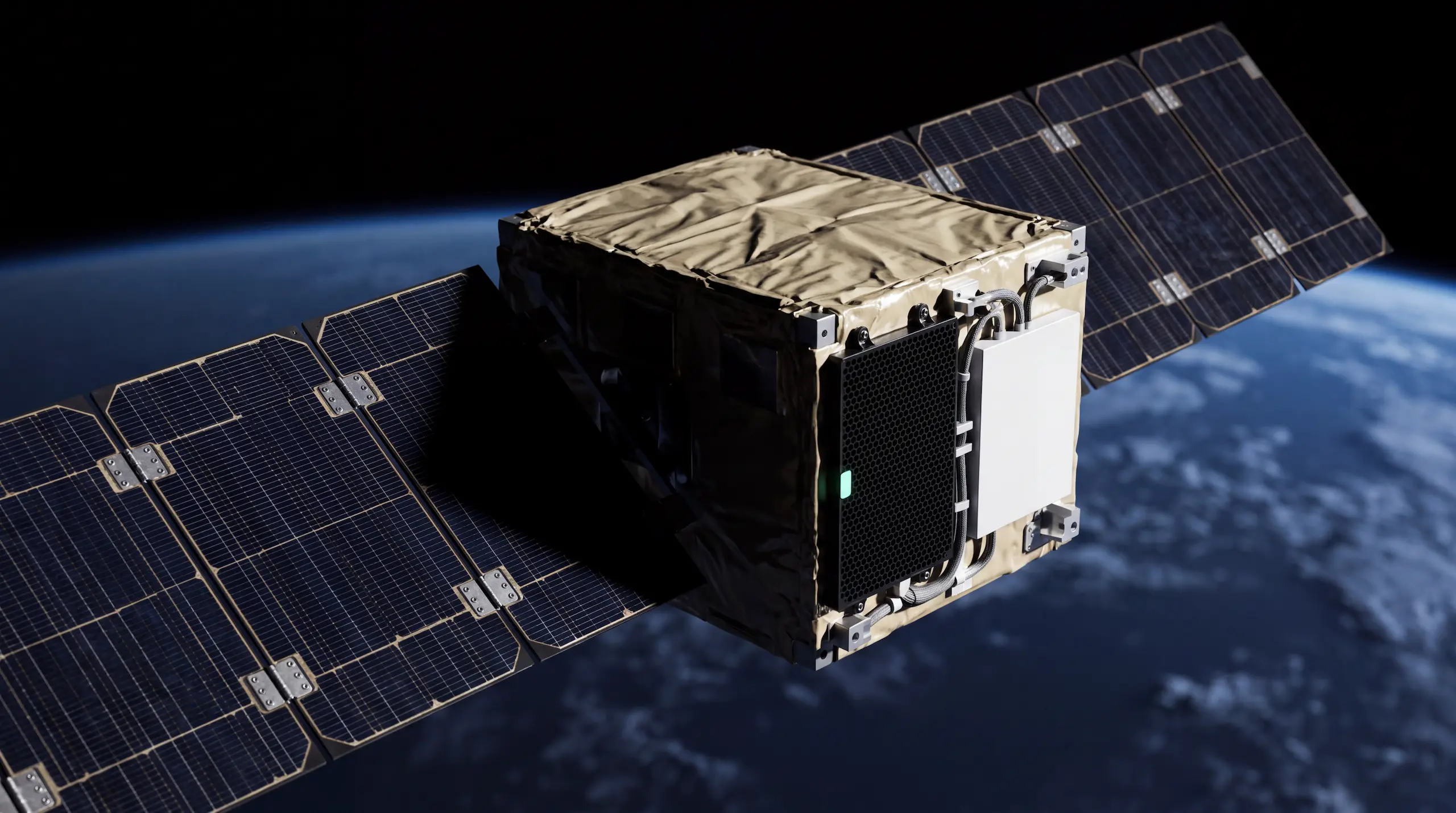
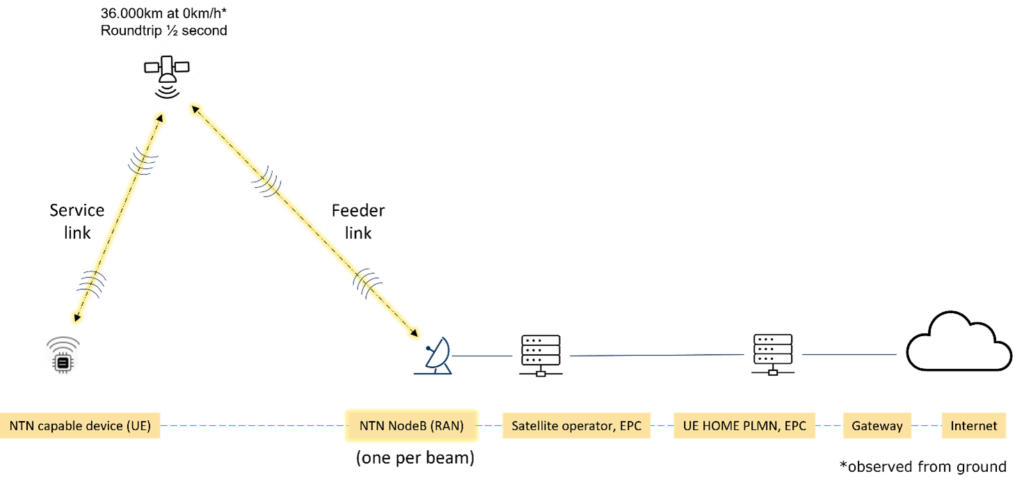
「現在、衛星は、NB-IoT のNTNシステムアーキテクチャを既存の地上ネットワークに適応させる上で極めて重要な役割を果たしています。デバイスがNodeB(基地局)に直接接続するのではなく、そのサービスリンクはまず衛星を経由し、フィーダーリンクを介して信号を、衛星事業者のEPCに接続された地上設置型のNTN NodeBに転送します」と、GateHouse SatComのシニアソフトウェアアーキテクト、ヘンリック・クログ・モーラー氏は説明しています。
リリース17では現在、NodeBが地上に設置される「透過モード」(図1参照)に重点を置いています。リリース18および リリース19で検討される「再生モード」は、NodeBを衛星のペイロードとして実装することを目的としています。この実装には、接続速度と効率を向上させるため、デバイス、NodeB、およびEPCのさらなる調整が必要となります。
サービスおよびフィーダーリンク制約
サービスリンクおよびフィーダーリンクには、ドップラー効果、遅延、信号の変化、経路損失など、いくつかの課題が存在しますが、これらはすべて衛星、その仰角、および空における位置によって左右されます。
地上から36,000 kmの上空を周回する高軌道GEO 衛星は、例えば600 kmの上空を周回する低軌道 LEO (NGSO)衛星(例えば高度600 km)に比べて、著しく大きな経路損失が生じます。また、衛星が近づいたり遠ざかったりするにつれて、信号の遅延やNGSOによるドップラー効果も変化します。
「このデバイスの物理層では、こうした課題を補正するために、GNSSの位置情報を利用した適応処理が必要となります。衛星は、この補正の一環として、自身の位置情報と時刻情報を送信します」とヘンリックは説明する。
もう一つの焦点は、衛星が数百万の絶えず移動するIoTデバイスをどのように処理し、短期間で複数の追跡エリアを同時にカバーし、NGSOネットワークとの接続を維持するかである:
「デバイスには、地上ネットワークと同様に、追跡エリア識別子のリストが割り当てられます。NodeBは、自身の現在の追跡識別子と、現在サービス提供中の追跡エリアのリストをブロードキャストします。このリストは、衛星の移動に伴い時間とともに変化します。このリストはデバイスのページングを誘導するものであり、両リストに共通するエリアを持つデバイスにのみページングが行われます。デバイスは自身の位置情報をネットワークに送信することができ、これにより最適化が可能となります」。
周波数が高くなるほど、信号伝送上の課題も大きくなる
リリース17の「NB-IoT 」NTN仕様は、2~4ギガヘルツ(GHz)の範囲にあるSバンド周波数で運用が開始され、従来の超高周波(UHF)帯と超高周波(SHF)帯の境界である3 GHzを越えることになります。航空、海運、宇宙産業では、モバイルネットワークや携帯端末向けの双方向通信およびコンテンツ配信機能を最適化するために、Sバンドが利用されています。
しかし、スヴェンド氏は、より高い周波数には「大きな技術的課題が伴う」と指摘しており、これは世界中の衛星接続型5Gサービスの品質、効率、信頼性に影響を及ぼすとしている。この課題は、主に6 GHz以上の周波数で運用される高軌道GEO衛星に影響を与える。 「 周波数帯域に関する課題や、それがNB-IoT の接続性に与える影響に対処するため、 3GPP と国際電気通信連合(ITU)の間で協議が継続されています。残念ながら、これらの協議はまだ解決に至っていませんが、将来的には解決されると私たちは信じています」。