世界的な通信需要が拡大し続ける中、5Gを地上ネットワークの枠を超えて拡大することは、当然の次のステップとなっています。一般に「5G非地上ネットワーク(5G NTN )」と呼ばれる衛星を利用した5Gは、地上ネットワークの導入が現実的でない、あるいは利用できない地域に通信エリアを提供することで、既存のモバイルインフラを補完するように設計されています。
しかし、宇宙空間で5G衛星通信を実現するには、単に衛星に基地局を設置するだけでは不十分です。これには、距離、遅延、移動性、システムの挙動に関連する一連の技術的・アーキテクチャ上の課題が伴います。衛星を利用した5Gが、進化し続ける規格に準拠しつつ、予測可能なパフォーマンスを発揮できるようにするためには、これらの課題に慎重に対処する必要があります。
本稿では、衛星リンクを介した5Gの実現に必要な要素を概説し、5G NTN 形作る主要な考慮点を明らかにする。
5G NTNのリンク予算の収束
あらゆる衛星通信システムにおける根本的な問題は、リンク予算が成立するかどうかである。リンク予算とは、距離、ノイズ、アンテナ利得、経路上の様々な損失を考慮した上で、信号が送信機から受信機まで十分な品質で到達できるかどうかを定義するものである。
5G NTN、この計算が特に重要である。従来の衛星サービスと比較して、5Gはより高いデータレートへの期待とより厳しい性能要件をもたらす。実行可能なリンク予算がなければ、最も先進的なシステムアーキテクチャでさえ、意味のある接続性を提供できない。
初期段階 5G NTN は、システム設計や導入決定に踏み切る前に性能目標を達成できるかどうかを検討するためによく用いられる。現実的なシミュレーションとエミュレーションによって裏付けられたこれらの研究は、システムパラメータと運用上の前提条件が慎重に設計・検証されれば、定義された条件下で5G衛星システムのリンク予算を成立させることが可能であることを一貫して示している。
その結果、5G NTN の導入実現可能性を評価する際、リンクバジェットの分析は依然として最初かつ最も重要なステップの一つとなっています。
5G NTNにおけるGEO、MEO、LEO
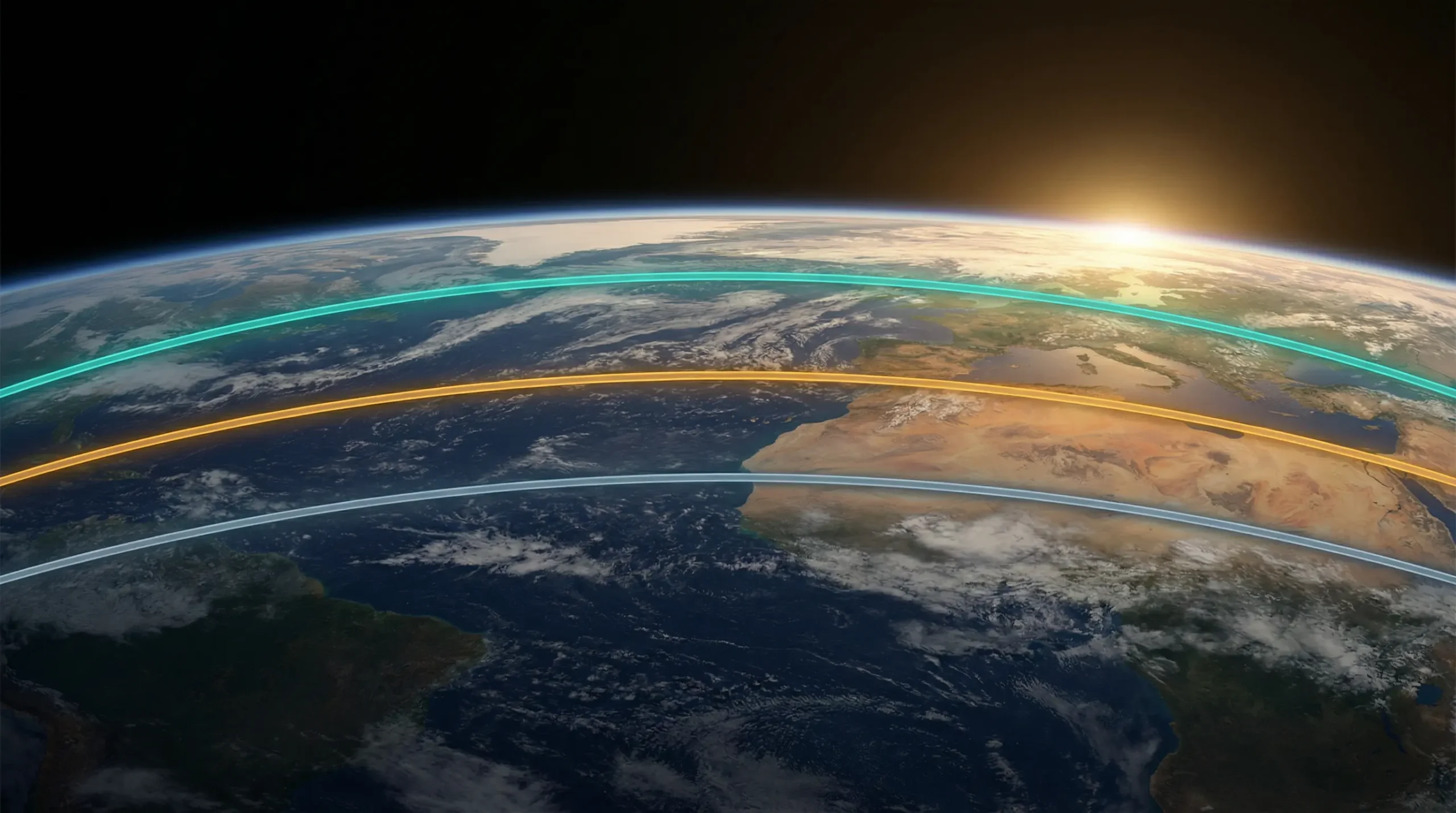
衛星を利用した5Gは、複数の軌道帯に展開することが可能です。静止軌道(GEO )、中軌道(MEO )、および低軌道(LEO )の衛星は、それぞれ遅延、通信範囲、システムの複雑さに影響を与える独自の特性を備えています。
GEO
GEO 地球から約36,000km上空を周回し、極めて広範囲なカバレッジを提供する。単一の衛星で大陸全体をカバーできるため、GEO 広域カバレッジシナリオやインフラ効率の高い展開において魅力的である。
GEOに関連する主な課題は遅延である。衛星と地上の間の長距離は大きな伝搬遅延をもたらし、音声通信、リアルタイム動画、インタラクティブアプリケーションなどの遅延に敏感なサービスに影響を与える可能性がある。
MEO
MEO 、GEO LEOの中間高度、通常は地球から数千キロメートルから約20,000キロメートルの範囲で運用される。この軌道領域は、カバレッジと遅延のバランスを提供する。
GEO と比較して、MEO システムは、LEO 衛星よりも広いカバレッジを確保しつつ、より低い伝搬遅延を実現します。その結果、MEO は、大規模なLEO コンステレーションほどの複雑さや規模を必要とせずに、遅延特性の向上を必要とするユースケースにおいて魅力的な選択肢となり得ます。ただし、MEO の導入においても、システムレベルで対処しなければならないコンステレーション管理やハンドオーバーに関する考慮事項が依然として存在します。
LEO
LEO るかに低い高度で運用されるため、往復時間が大幅に短縮され、遅延が低減される。これにより、LEO 性能が5G NTN や、遠隔地やサービスが行き届いていない地域への接続拡大に最適である。
しかし、LEO 衛星で世界規模の通信エリアをカバーするには、その通信範囲が限定的であり、軌道周期も短いため、大規模な衛星コンステレーションが必要となります。また、LEO 衛星と地上局との間の急速な相対運動によりドップラーシフトが生じるため、安定した5G衛星通信リンクを維持するためには、これを能動的に管理する必要があります。
宇宙空間における5G導入時の主要な技術的課題
システム視点から見ると、衛星経由での5G導入には、設計段階の早い段階で対処すべきいくつかの繰り返される技術的課題が存在する:
- 特にGEO における長い伝搬遅延が、遅延に敏感なサービスに影響を与える。
- MEO における適度な遅延とコンステレーション管理の複雑性。
- ドップラーシフト、特にLEO において、衛星間の相対速度が高いことに起因する。
- 距離、電力制限、アンテナ特性によって引き起こされるリンク予算の制約。
- 衛星が地上端末に対して相対的に移動する際に生じる移動性とハンドオーバーの複雑さ。
- スケーラビリティ要件、特に継続的な全球カバレッジを提供する低軌道(LEO 。
これらの課題に対処することは、5G衛星接続が一貫性と予測可能性を備えた性能を提供できることを保証するために不可欠である。
ソフトウェアによる5G NTN への対応
5G衛星通信に関連する課題の多くは、高度なソフトウェア設計やプロトコルの動作によって軽減することができます。
伝搬遅延については、データフローを最適化し、パケット損失を管理し、長い往復時間を補正するメカニズムを用いて対処することができます。また、誤り訂正や再送信の戦略により、特に通信経路の状態が変動する場合において、衛星リンク全体の堅牢性をさらに高めることができます。
LEO (GPS)ベースの5G NTN システムにおいて、ドップラー効果に対処するためには、ソフトウェアの適応的な動作が不可欠です。周波数条件の変化に動的に適応することで、衛星が地上に対して高速で移動している場合でも、ソフトウェアは信号の完全性を維持することができます。
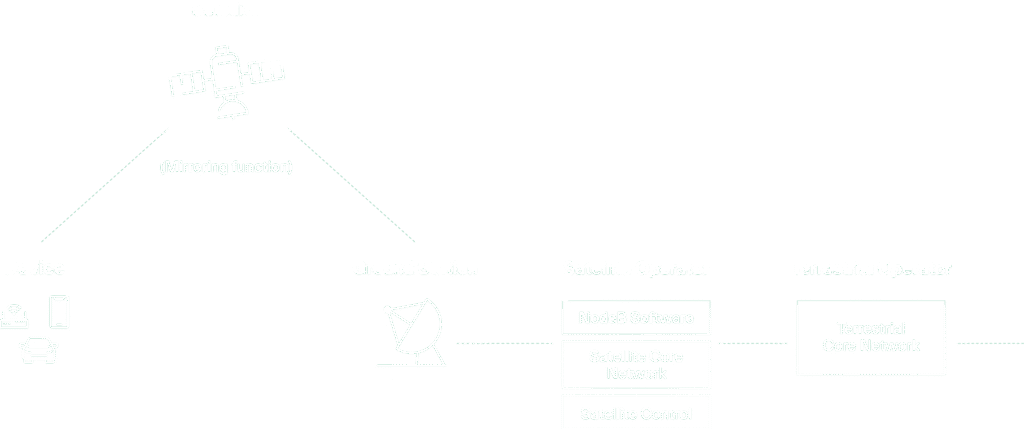
スケーラビリティも重要な考慮事項である。大規模な衛星群は、衛星間のシームレスな移行を実現するために、インテリジェントな調整、ルーティング、ハンドオーバー機構に依存している。これらの機能は通常、ネットワークノードレベルで実装される。 NB-IoT eNodeB が衛星固有の制約管理において重要な役割を果たします。
現実的な条件下でのシステムの挙動を検証するために、制御されたテスト環境やエミュレーション環境が一般的に利用されています。専用の 5G NTN 検証プラットフォーム を用いることで、本番環境への導入前に性能に関する仮定を評価することが可能になります。
宇宙空間に5Gを導入するには、衛星だけでは不十分である
衛星を介した5Gの提供は、宇宙技術や無線技術と同様に、ソフトウェアとシステムアーキテクチャの課題でもある。軌道選択が遅延やカバレッジに直接影響する一方で、堅牢なプロトコル設計、慎重なシステム統合、現実的な検証こそが、5G NTN 実世界の性能期待5G NTN 最終的に決定する。
衛星対応の5Gが進化を続ける中、ソフトウェアベースの対策技術やシステムレベルの最適化における進歩は、宇宙空間から信頼性が高く、規格に準拠し、拡張性のある5G衛星通信を実現する上で、今後も中心的な役割を果たし続けるでしょう。